Our Managing Director James McManus explains why we chose the remote Choquequirao route to Machu Picchu, and what makes this trek through the Peruvian Andes so special.
Updated: Our Machu Picchu itinerary has evolved since this article was first published in 2018. You can view our current 14-day Machu Picchu via Choquequirao expedition for the latest itinerary, dates and pricing.
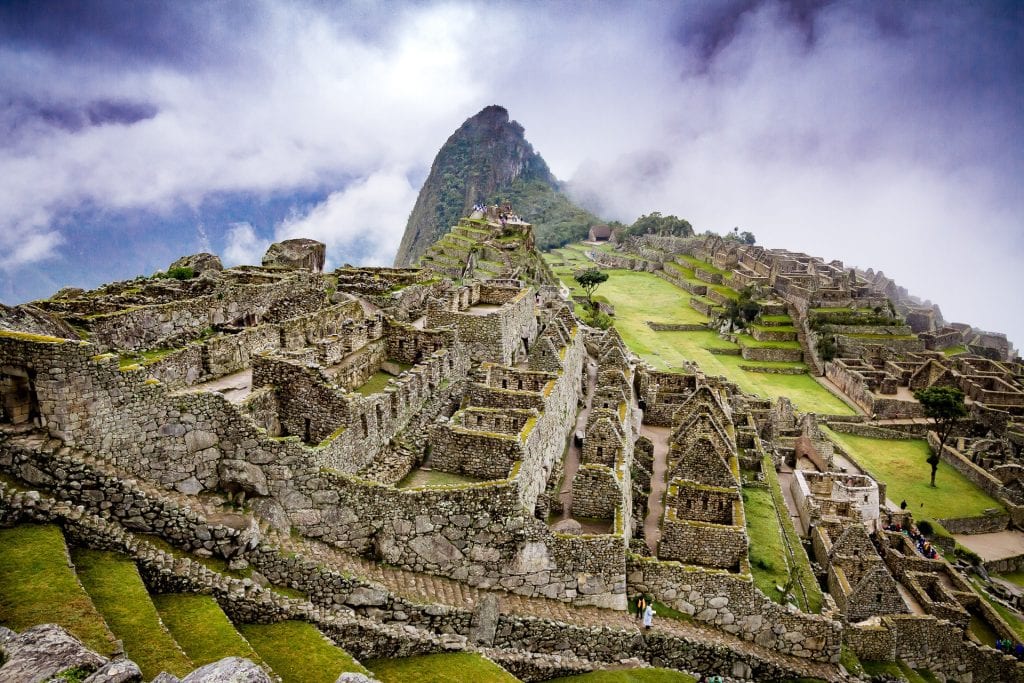
Why We Chose the Choquequirao Route
When we first started treks to Machu Picchu, I never wanted to do the Royal Inca Trail. It’s a popular route and can be very busy, whereas I’ve always preferred to take clients somewhere a little different and give them a more adventurous experience.
That approach runs through many of our expeditions, from Aconcagua to Kenya, and was one of the reasons we had been using the more remote Salkantay route to Machu Picchu.
It’s such a wonderful trek but I felt we were still not offering that total experience of the Andes and Peru. I also felt for the travel time between Dublin and Cusco we were not spending enough days trekking. Travelling from Ireland to Cusco is a significant journey, typically involving multiple flights and connections. On our old itinerary, we were spending almost as much time travelling as we were trekking, which didn’t feel like enough reward for the journey.
Designing Our Choquequirao to Machu Picchu Route
With that in mind, in late 2018, I started researching a longer trek so we could add four or five days to our itinerary. Obviously, mountains and trekking routes are not uniform and it proved to be very difficult to find a route that suited.
After a lot of research and a lengthy chat with my close friend and partner in Peru, Edgar, we began designing a route through Choquequirao towards Machu Picchu. Edgar is a knowledgeable Quechua guide with more than 20 years’ experience in the Peruvian Andes, and it was he who first suggested Choquequirao. The idea immediately piqued my interest.
When Edgar explained just how few visitors Choquequirao receives compared with Machu Picchu, I was determined to design an itinerary around visiting this lesser-known Inca site. We came up with an epic itinerary that traverses the Andes between Choquequirao and Machu Picchu.
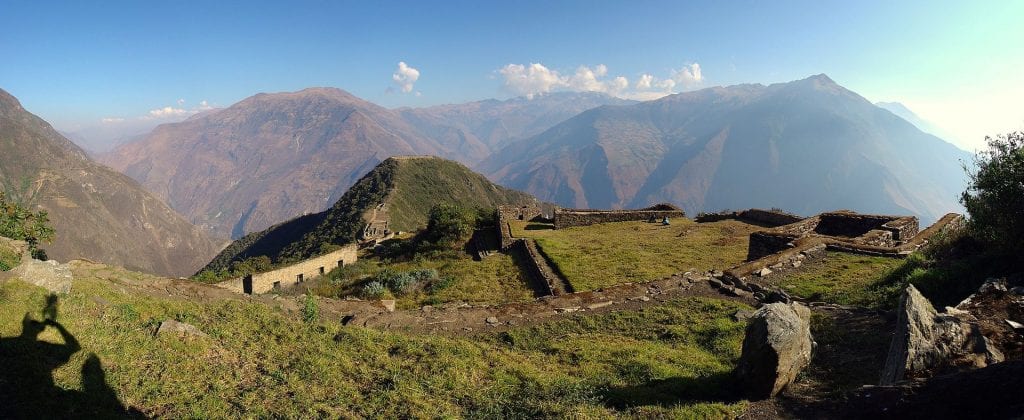
Visiting Choquequirao
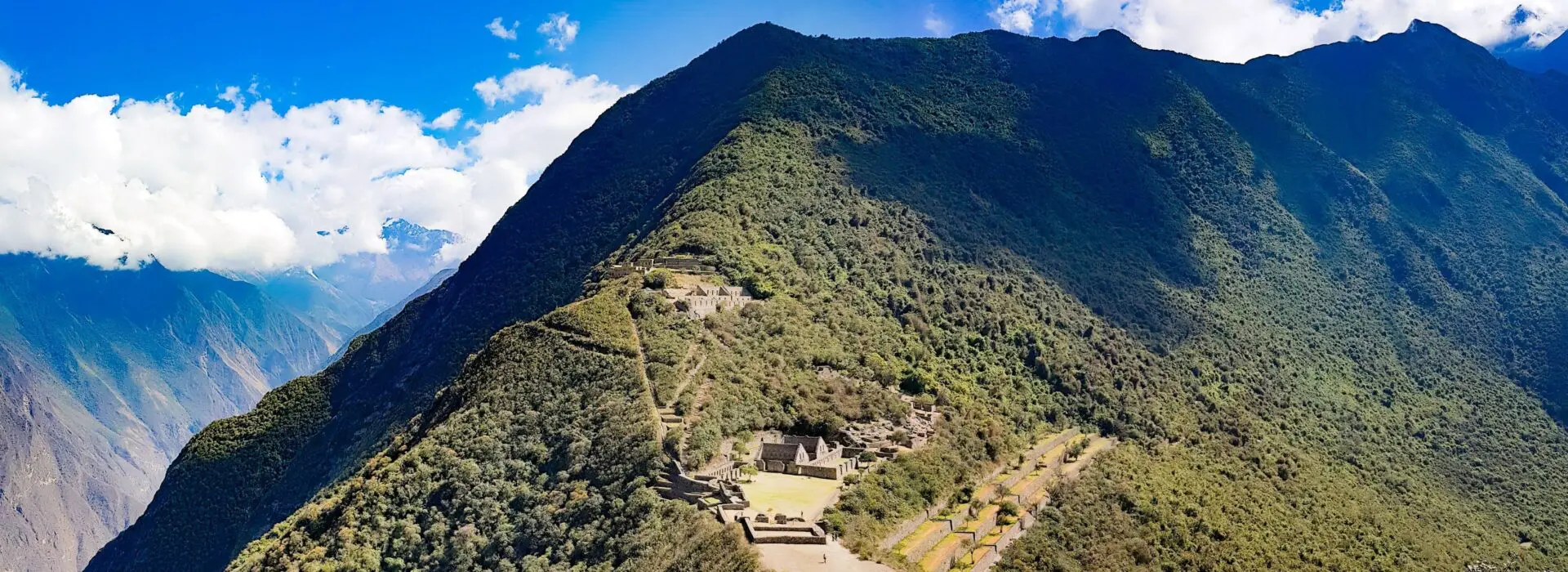
Choquequirao is a vast Inca archaeological site often described as the lesser-known sister city of Machu Picchu. What makes it especially memorable is how few visitors it receives and the fact that it can only be reached on foot.
This means we get all the time and space to explore this stunning city without the crowds. We include a guided tour of the main sites in Choquequirao, including Ushno (ceremonial platform), Hauqaypata (main plaza) and Urin (upper square), with time to explore independently too.
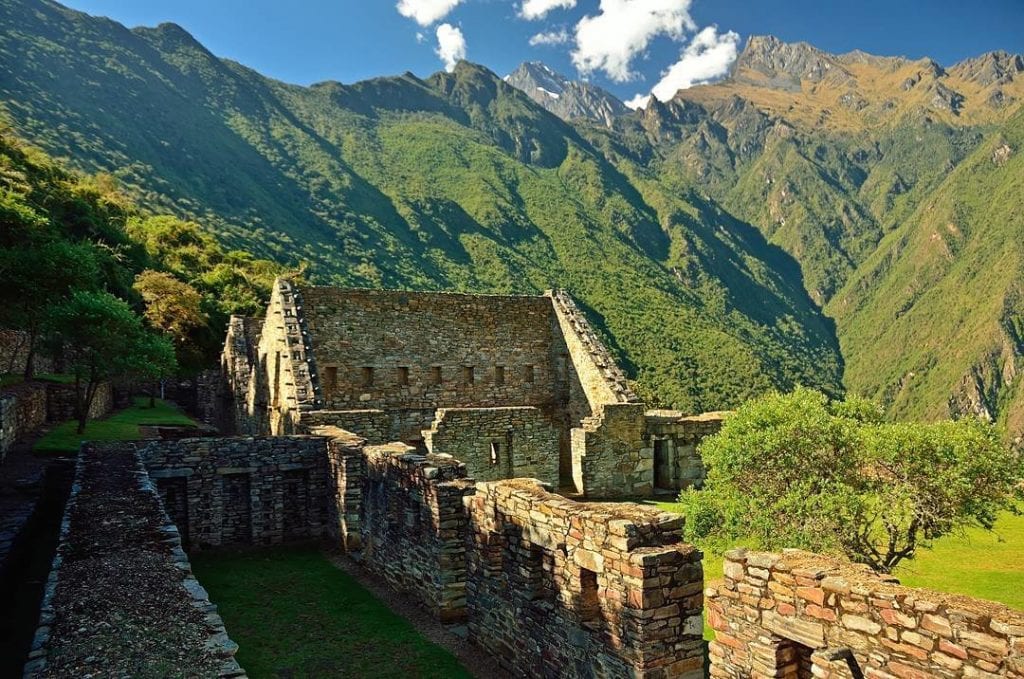
Hiking from Choquequirao to Machu Picchu
The next challenge was to connect Choquequirao back to Machu Picchu, as let’s face it, Machu Picchu is one of those must-see places! To connect the two sites, we designed a longer and more challenging route than the Salkantay trek. Instead of one high pass on the Salkantay trek, our route has several long ascents including two high passes standing at 4,150m and 4,668m. We also descend into deep river canyons and enjoy pristine mountain views on a route which sees much less traffic than the Salkantay or Royal Inca trails.
Without question, my favourite day on the Salkantay trek was the day we walked from Collpapampa to La Playa. The route is almost all flat or slightly downhill as we follow the Lluskamayu river on a beautiful trail through thick jungle. There is a huge amount of bird life and endless flowers to marvel at but as per the norm with me, the highlights are always food related!
After several hours on the trail, we pass through some small hamlets which all sell amazing avocados. Far from the small, hard, and stone-like specimens we get in Ireland, these are properly ripe, soft and creamy avos. The farmers have spoons you can borrow and salt at the ready which makes for the best snack while on the trail.
Once we reach La Playa we head straight to Fredie’s coffee farm for lunch. However, it’s no ordinary lunch. Upon arrival, they introduce us to Pachamanca – a traditional and very tasty Inca dish which involves slow cooking spiced meat and vegetables wrapped in banana leaves and buried in the earth with hot stones. While the Pachamanca cooks, we take a short tour of the coffee farm, learning about the process from planting and harvesting through to roasting our own coffee. When we’ve devoured the Pachamanca and are all buzzed up on coffee, we continue on to our campsite in Santa Teresa. From there we head to the natural hot springs, which is the perfect way to end a great day and soothe tired legs.
The good news is we have managed to plan our route from Choquequirao to Machu Picchu and still include this amazing day. We were also able to retain many of the highlights of our previous itinerary, including plenty of time in Cusco, a visit to the women’s co-op in the Sacred Valley and ,of course, plenty of time to explore Machu Picchu.
That route has since developed into our current Choquequirao to Machu Picchu trek, a 14-day expedition with nine trekking days.
Cusco and Rainbow Mountain
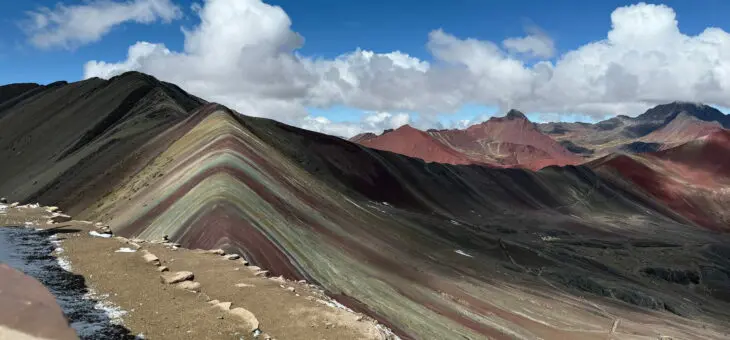
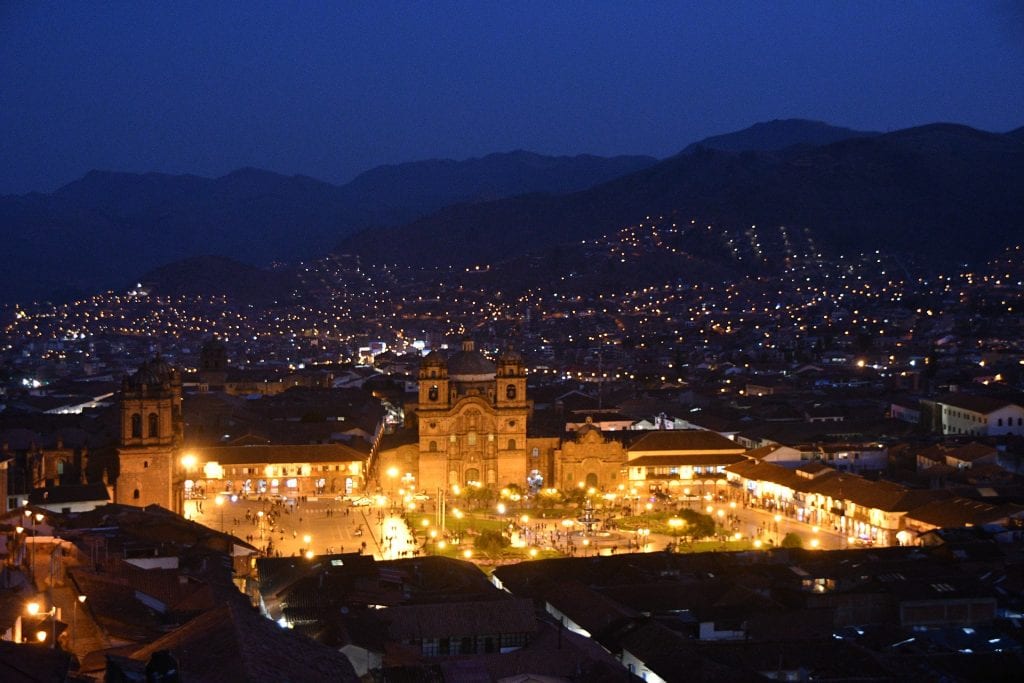
One of the things we wanted from the expanded itinerary was more time to experience Peru beyond the trek itself. Cusco is an incredible city, and having free time there gives you the option to explore at your own pace or take an optional trip to Rainbow Mountain.
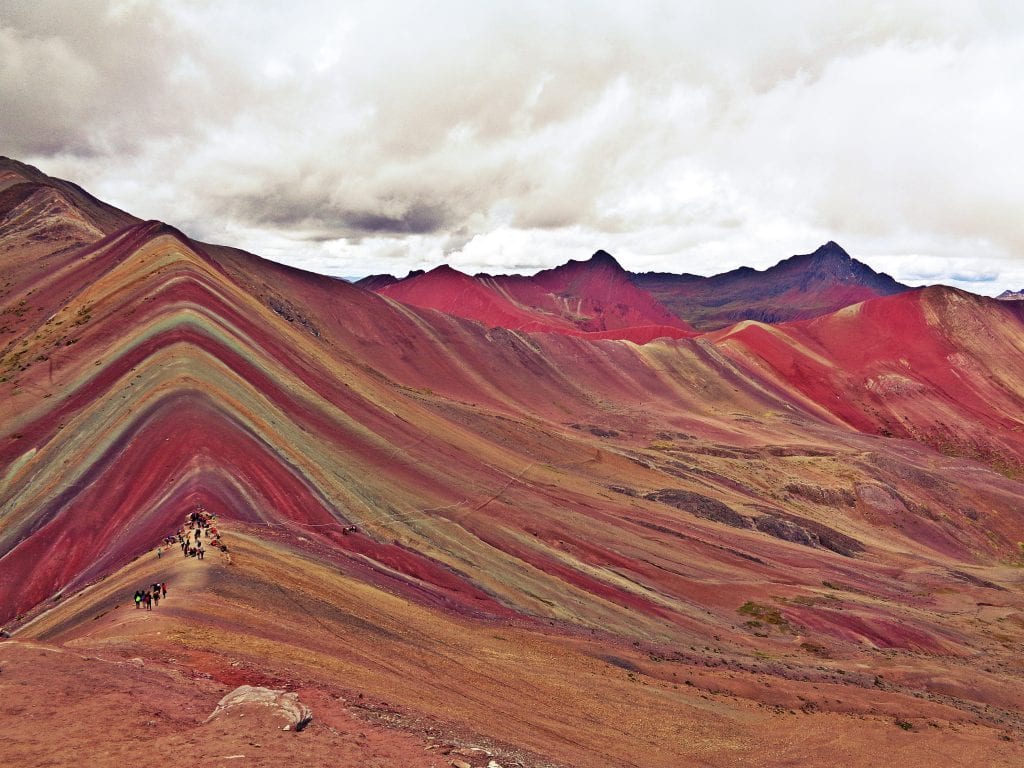
We wanted to build in enough time in Cusco both to acclimatise properly before trekking and to enjoy the city afterwards.
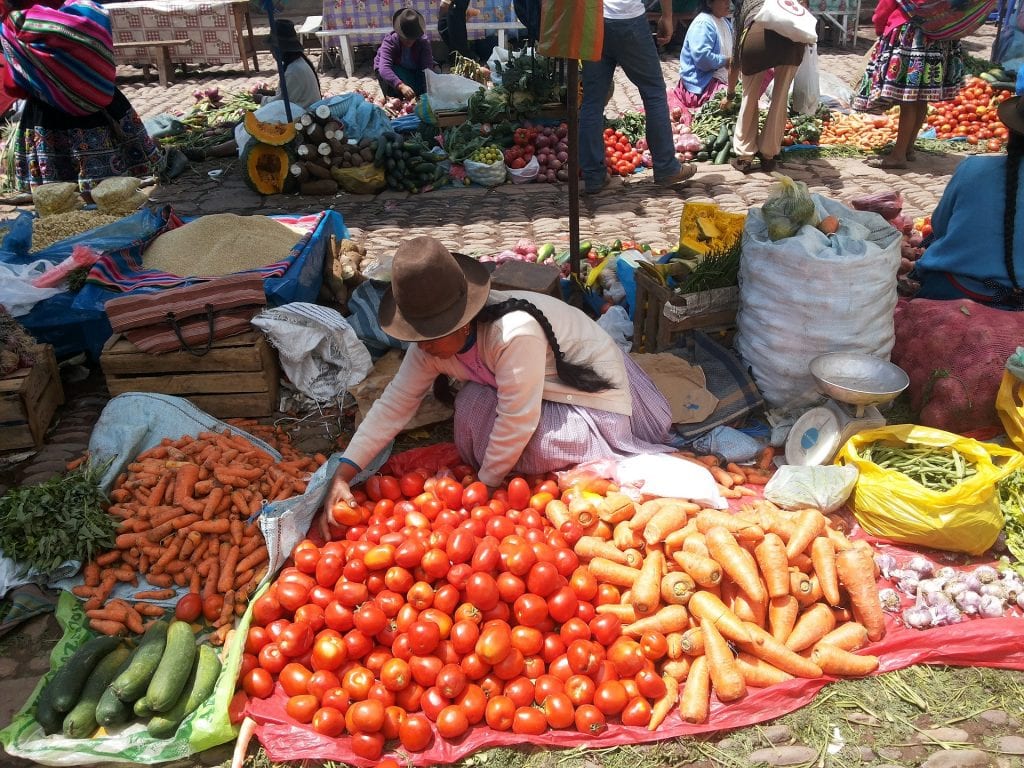
Cusco is a stunning city to explore with so many Inca and colonial sites to visit. My favourite spot in the city by far is the San Blas market. Although only a five-minute walk from the main square, this traditional market is the real heart of the city. You can find all types of produce there but the range of fresh fruit and veg available is particularly impressive. It’s a great place to stock up on fruit and nuts for the trek. There are also food stalls where you can sit and eat traditional food with the locals which I would highly recommend if you want to enjoy a real authentic meal in Cusco.
For me, combining Choquequirao, the high Andes, the coffee-growing valleys and Machu Picchu creates a much richer experience of Peru than simply taking the shortest route there.
Planning your own trip? View our current 14-day Machu Picchu Trek via Choquequirao, including dates, pricing and full itinerary.