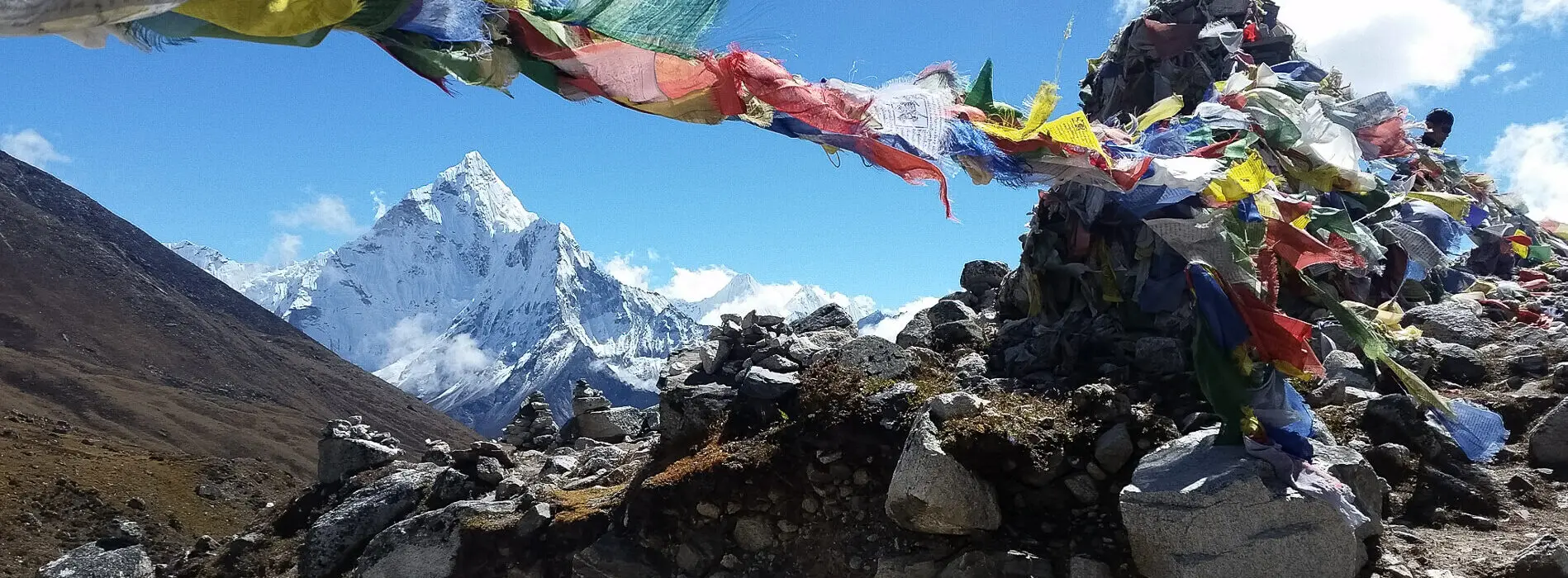
The Everest Base Camp trek is challenging, but it doesn’t require technical climbing skills or previous high-altitude experience. The biggest challenges are the altitude, long days on your feet and the cumulative effort of trekking for almost two weeks.
With Earth’s Edge, the 16-day Everest Base Camp expedition includes 13 days on the trail, two dedicated acclimatisation days and a steady approach through the Khumbu Valley. You’ll reach Everest Base Camp at 5,364m, with the option to trek to Kala Patthar at approximately 5,550m.
If you have a good level of fitness, train consistently in the months before departure and are comfortable with long days of hillwalking, Everest Base Camp is an achievable goal for many first-time high-altitude trekkers.
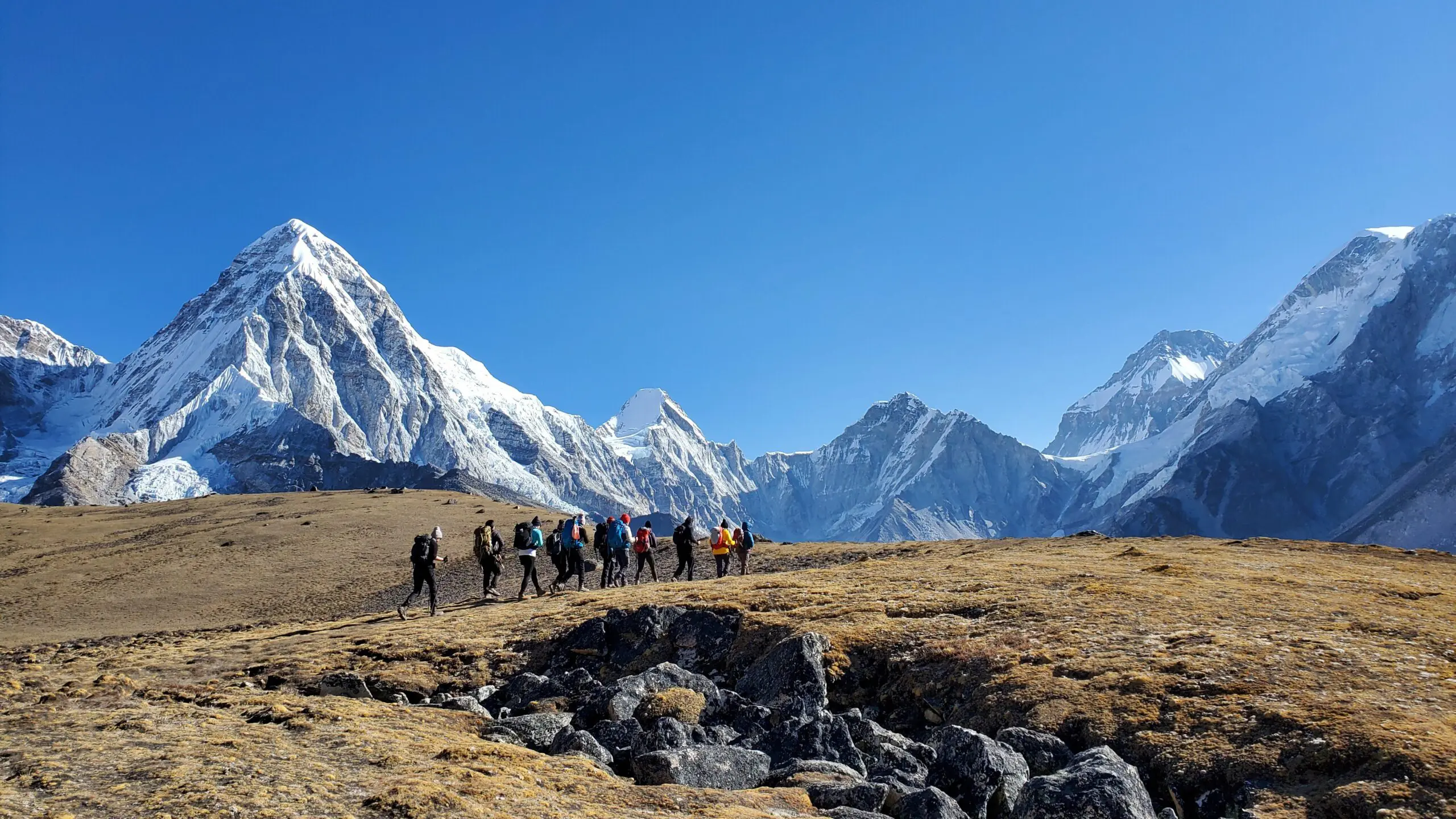
Everest Base Camp Difficulty At a Glance
The Everest Base Camp trek is not a technical climb, meaning you won’t need ropes, ice axes, or mountaineering skills.
But, it’s physically demanding. You’ll be trekking long hours each day, often at high altitudes where oxygen levels are much lower than at sea level. This means endurance, fitness, and proper acclimatisation are essential.
| What to expect | |
|---|---|
| Earth’s Edge difficulty | Level 4 / Moderate |
| Technical climbing | None |
| Everest Base Camp altitude | 5,364m |
| Highest point | Optional Kala Patthar, approx. 5,550m |
| Time on the trail | 13 days |
| Typical trekking days | Around 3–8 hours, with some longer days of 9–10 hours |
| Accommodation | Traditional tea houses |
| Main challenge | Altitude and sustained multi-day trekking |
| Previous high-altitude experience | Not required |
| Fitness required | Good general fitness and consistent preparation |
What Makes the Everest Base Camp Trek Difficult?
There isn’t one single section that makes Everest Base Camp difficult.
Instead, the challenge comes from a combination of altitude, consecutive trekking days, uneven terrain and the gradual build-up of fatigue as you move higher into the Himalayas.
1. The Altitude
Altitude is one of the biggest challenges on Everest Base Camp.
The route begins after flying into Lukla at around 2,860m and gradually climbs through the Khumbu Valley to Everest Base Camp at 5,364m. If conditions allow, there is also the option to trek to Kala Patthar at approximately 5,550m.
At higher altitudes, there is less oxygen available, so your body has to work harder. How you respond to altitude is also not simply determined by how fit you are. Even very fit people can experience symptoms.
That’s why a gradual itinerary and proper acclimatisation are so important.
Our Everest Base Camp itinerary includes two dedicated acclimatisation days, in Namche Bazaar at 3,440m and Pheriche at 4,371m. On these days, we take an acclimatisation hike before returning to sleep at the same altitude, giving your body more time to adjust before you continue higher.
Every Earth’s Edge Everest Base Camp group also travels with a dedicated expedition doctor, who works alongside our experienced Nepalese guiding team and provides an additional level of medical support throughout the trek.
You can learn more about altitude in our guide to preventing altitude sickness.
2. Long Days of Trekking
Everest Base Camp isn’t difficult because of any single section. The challenge builds over many consecutive days: being able to keep moving at a steady pace for several hours, then get up and do it again the following day.
Some trekking days are relatively short, particularly early in the itinerary. Others can take eight, nine or even ten hours, depending on the route, terrain and conditions. These demanding days test your stamina but also reward you with breathtaking views.
The day you reach Everest Base Camp is one of the longest of the trip. From Lobuche, the route continues through Gorakshep before crossing increasingly rocky terrain towards Base Camp itself.
The following day can also be long, particularly if conditions allow for the optional early-morning trek towards Kala Patthar before beginning the descent.
This is why endurance and recovery matter just as much as your ability to complete one long hike.
Want a better idea of what the days actually look like? Read what a typical day on the Everest Base Camp trek is like.
3. The Terrain
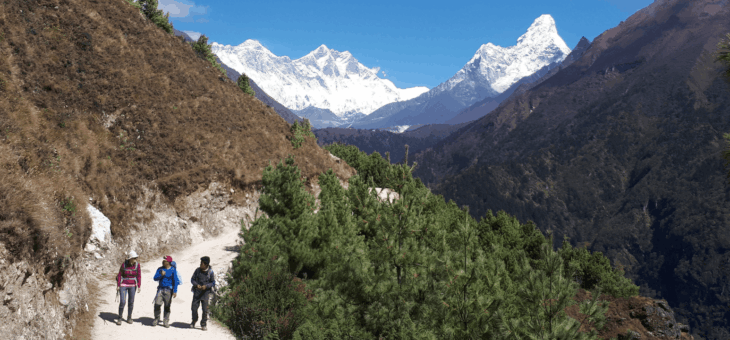
The route through the Khumbu Valley is a trekking trail rather than a technical climb. You don’t need ropes, crampons, an ice axe or technical mountaineering skills to trek to Everest Base Camp.
That doesn’t mean the walking is always easy.
Along the way you can expect:
- Long climbs and descents
- Stone steps
- Suspension bridges
- Rocky and uneven trails
- Steeper sections as you gain altitude
- Rough glacial terrain approaching Base Camp
Good walking boots, experience on uneven ground and plenty of time spent hillwalking before departure will make a big difference.
4. The Cumulative Fatigue
One of the biggest differences between Everest Base Camp and a normal weekend hike is that you’re walking for many consecutive days.
You might finish a six or seven-hour trekking day feeling tired, but the following morning you need to put your boots back on and continue.
As the trek progresses, altitude can also affect sleep and recovery. Add cold mornings, basic mountain accommodation and increasingly long days, and fatigue can gradually build.
Being able to maintain a slow, steady pace over consecutive days is therefore one of the most important parts of preparing for Everest Base Camp.
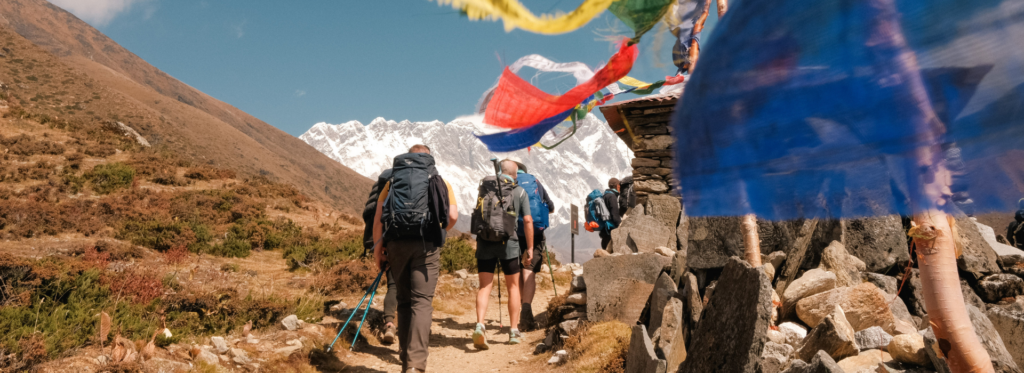
What are the hardest days on the Everest Base Camp trek?
Everyone experiences the trek differently, but there are a few days that tend to feel more demanding.
Phakding to Namche Bazaar
The trek towards Namche Bazaar is one of the first substantial tests.
You’ll cross several suspension bridges before a sustained climb towards Namche Bazaar at 3,440m. It’s also one of the first days when you begin to notice the increase in altitude.
Allow approximately eight hours of trekking.
Lobuche to Everest Base Camp
For many trekkers, reaching Everest Base Camp is the toughest, and most rewarding, day of the trip.
From Lobuche, you trek to Gorakshep before continuing across rough, rocky terrain towards Everest Base Camp at 5,364m.
The full day takes approximately nine hours, and by this stage you are already trekking at significant altitude.
Kala Patthar and the descent
Weather and conditions permitting, there is the option to make an early-morning trek towards Kala Patthar before beginning the descent.
This can make for another long day, with approximately ten hours on the trail.
By now, however, the good news is that you’re heading downhill and gradually returning to lower altitudes.
How fit do you need to be for Everest Base Camp?
You don’t need to be an elite athlete to trek to Everest Base Camp.
You do, however, need a good level of cardiovascular fitness and walking endurance.
As a rough guide, you should work towards being comfortable hillwalking for five to seven hours on consecutive days, carrying the daypack you’ll use in Nepal.
Your training should prepare you for:
- Sustained uphill and downhill walking
- Uneven mountain terrain
- Consecutive days on your feet
- Carrying a light daypack
- Maintaining a steady pace for several hours
Being exceptionally fast isn’t important. In fact, at altitude, moving slowly and steadily is exactly what you want.
Building fitness gradually over time is the best way to set yourself up for success. The aim of your training is to arrive with enough endurance that the physical effort of trekking doesn’t become the limiting factor while your body is also adapting to altitude.
Can beginners trek to Everest Base Camp?
Yes! Everest Base Camp can be a suitable first high-altitude trek. Most people with reasonable fitness and some hiking experience can complete the trek.
You don’t need previous mountaineering experience or technical climbing skills, and you don’t need to have trekked at high altitude before.
However, you should have some hillwalking experience and be prepared to train properly in advance. Having a good base fitness helps make the journey more enjoyable.
If you’re relatively new to hiking, start by building up your walking gradually. Increase the length and frequency of your hikes over several months rather than trying to cram your preparation into the final few weeks before departure.
And, with Earth’s Edge, you’re supported by experienced guides, porters to carry your main luggage, and a dedicated, on-trip expedition doctor. We take care of the logistics so you can focus on the experience.
For a broader overview of the trip, read our Ultimate Guide to Everest Base Camp.
How should you train for Everest Base Camp?
The best training for Everest Base Camp is regular hillwalking.
Nothing prepares you for spending hours walking up and down hills quite as effectively as actually doing it.
Build gradually towards longer days and, importantly, include back-to-back hiking days. Walking again when your legs are already tired is excellent preparation for a multi-day trek.
Alongside hillwalking, your training can include:
- Cardiovascular exercise such as running, cycling or swimming
- Strength training, especially for your legs and core
- Stair climbing
- Walking with your trekking daypack
Consistency matters much more than occasional extremely hard sessions. Even if you’re starting from scratch, a few months of consistent effort will make a big difference.
Good preparation will help build the necessary endurance, and ease the difficulty of the Everest Base Camp trek. The more you prepare, the more you’ll enjoy the experience.
Earth’s Edge clients are also invited to a training weekend in Wicklow before departure. It gives you the opportunity to hike with other members of your group and get practical advice on equipment, preparation and what to expect on expedition.
And remember, training isn’t just about fitness. It helps you test your gear, improve your mental stamina, and arrive with confidence.
What equipment do you need for Everest Base Camp?
You don’t need technical climbing equipment, but having the right trekking kit makes a big difference.
Some of the most important items include:
- Well broken-in hiking boots
- Waterproof jacket and trousers
- Warm insulating layers
- A warm sleeping bag
- Comfortable trekking trousers and base layers
- Hiking poles
- A well-fitted daypack
You’ll carry your daypack each day, while your main expedition bag is transported separately by the support team.
For the full kit requirements, see our Everest Base Camp equipment list.
Is Everest Base Camp harder than Kilimanjaro?
Both trips involve trekking at high altitude, but the challenges are slightly different.
Everest Base Camp involves more days on the trail, meaning sustained endurance and recovery are particularly important.
Kilimanjaro involves reaching a higher altitude and has a very demanding summit day.
Which one feels harder will vary from person to person, depending on fitness, previous experience and how their body responds to altitude.
So, how hard is Everest Base Camp?
Everest Base Camp is a demanding but rewarding adventure.
For most people, the biggest difficulties are the altitude and the accumulated effort of walking for many days in a row rather than any individual section of trail.
You’ll tackle long trekking days, spend several nights above 4,000m and eventually reach 5,364m at Everest Base Camp.
But with the right preparation, a good level of fitness, consistent training and an itinerary that allows enough time to acclimatise, Everest Base Camp is an achievable goal for most determined beginner hikers. It’s not about speed. It’s about persistence, pacing yourself, and soaking in the awe-inspiring Himalayan landscape.
If you’re thinking about taking it on, you can see the complete itinerary, what’s included and our upcoming departure dates on the Everest Base Camp expedition page.
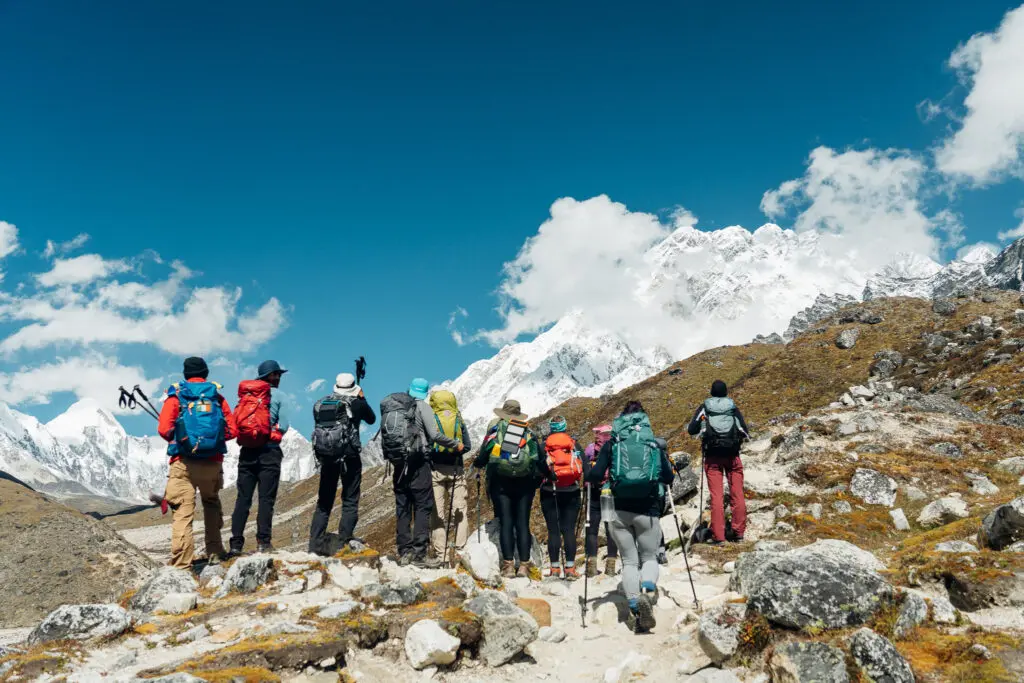
FAQs: Everest Base Camp Trek
1. What is the best time of year to trek to Everest Base Camp?
The best seasons are pre-monsoon (March to May) and post-monsoon (late September to November). These months offer stable weather, clearer skies, and warmer temperatures. We schedule our trips around these windows for optimal conditions.
2. Do I need to be super fit to do Everest Base Camp?
No, but you should be in good health and able to walk for several hours a day for over a week. Most reasonably active people can do it.
3. What’s the hardest part of the EBC trek?
The altitude and the duration are the biggest challenges. While the trail itself isn’t technically difficult, spending nearly two weeks hiking at high altitude can be physically and mentally demanding. That’s why we build in plenty of rest stops and acclimatisation days, keeping a steady pace to give your body the best chance to adjust and succeed.
4. Do I need any special equipment or gear?
We provide a detailed equipment list to help you pack correctly. Key items for EBC include a good sleeping bag, layered clothing for varying temperatures, sturdy hiking boots, and a good daypack. Our team and training weekend staff are always available to answer gear questions.
5. What kind of accommodation can I expect on the EBC trek?
You’ll stay in traditional Himalayan tea houses. These are simple but warm and comfortable lodges with basic amenities. This allows you to rest well each night and recharge for the next day’s trek without camping.
6. How big are the groups?
We keep group sizes small, typically 12–16 people, to ensure personalised attention, safety, and a friendly, supportive atmosphere.
Why Trek With Earth’s Edge?
As an Irish-owned adventure travel company with nearly 20 years of experience, we offer expertly guided treks to Everest Base Camp with the support of our top in-country leaders and a dedicated expedition doctor. You’ll be in safe hands as you trek through the legendary Khumbu region, allowing you to focus on the adventure and create unforgettable memories while standing at the foot of the world’s highest peak.